

In 2025, mutual funds have solidified their position as a cornerstone of investment strategies for Indian investors. With the evolving financial landscape, characterized by technological advancements, regulatory reforms, and a growing middle class, mutual funds offer a compelling avenue for wealth creation. This article delves into the reasons why mutual funds are a prudent choice for Indian investors this year.
1. Robust Growth in Household Savings
Over the past decade, mutual funds have become a primary choice for Indian investors seeking higher returns compared to traditional savings instruments like fixed deposits (FDs) and savings accounts. As financial literacy increases, more investors are diversifying their savings into mutual funds.
Example:
In 2015, the total assets under management (AUM) in the Indian mutual fund industry stood at ₹16.2 trillion. By 2023, it had grown to over ₹40 trillion, driven by the increasing participation of retail investors and the expansion of systematic investment plans (SIPs).
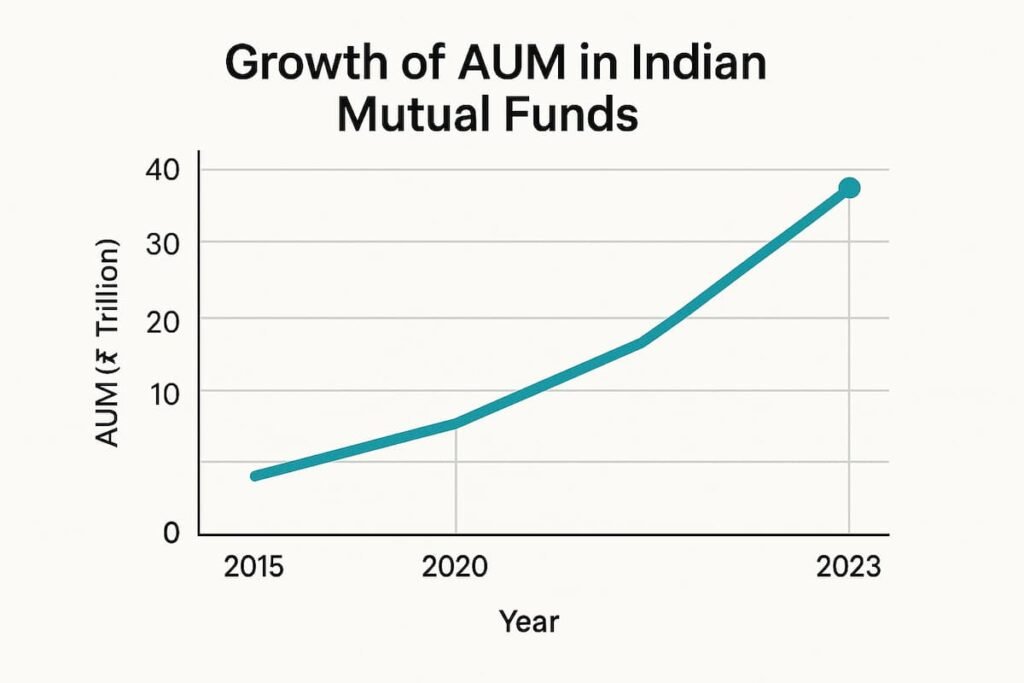
Table: Growth of AUM in Indian Mutual Funds
| Year | Total AUM (₹ Trillion) |
|---|---|
| 2015 | 16.2 |
| 2020 | 28.1 |
| 2023 | 40.3 |
This growth trajectory is a clear indicator that mutual funds are becoming an integral part of household savings in India.
2. Diversification Across Asset Classes
Mutual funds allow investors to diversify their investments across a range of asset classes—equities, fixed income, commodities, and more—thereby reducing risk. Diversification helps spread potential losses in one asset class with gains in another.
Example:
- Equity Funds: High-risk, high-return potential (e.g., investing in stocks of IT companies).
- Debt Funds: Lower risk, providing more stability (e.g., investing in government bonds).
- Hybrid Funds: A balanced mix, offering moderate risk and reward (e.g., investing in both stocks and bonds).

Table: Example of Different Mutual Fund Types
| Fund Type | Risk Level | Potential Returns | Example |
|---|---|---|---|
| Equity Funds | High | 10% to 15% (over long term) | SBI Small Cap Fund |
| Debt Funds | Low | 6% to 8% (annual) | HDFC Corporate Bond Fund |
| Hybrid Funds | Medium | 7% to 12% (annual) | ICICI Prudential Balanced Advantage Fund |
3. Access to Professional Management
One of the key benefits of mutual funds is that investors gain access to professional fund managers. These managers have the expertise to analyze market trends, assess risk, and construct a portfolio that is aligned with the fund’s objectives.
Example:
Consider the HDFC Top 100 Fund, which is managed by seasoned professionals with years of experience in equity markets. The fund’s performance is based on their ability to select high-potential stocks while managing risk.
Table: Performance Comparison of Fund Managers
| Fund Name | Fund Manager | 1-Year Return | 3-Year Return | 5-Year Return |
|---|---|---|---|---|
| HDFC Top 100 Fund | Prashant Jain | 18% | 13% | 12% |
| ICICI Prudential Blue Chip Fund | Sankaran Naren | 15% | 11% | 10% |
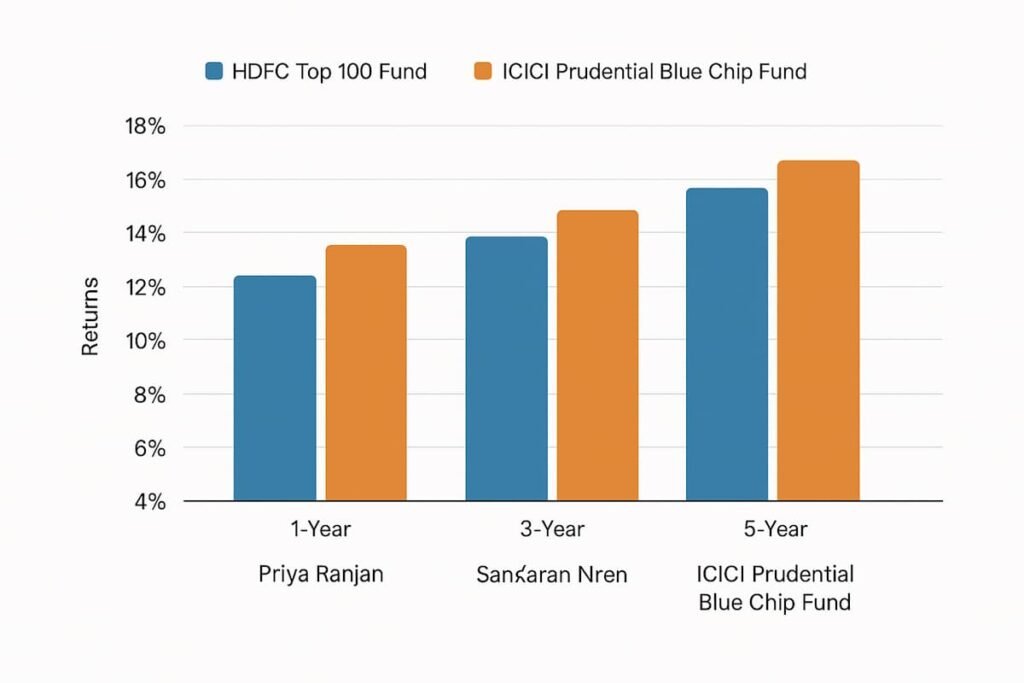
Fund managers continually monitor the market and make investment decisions, which may not be possible for individual investors with limited expertise.
4. Tax Efficiency Through ELSS
Equity Linked Savings Schemes (ELSS) provide Indian investors with an opportunity to save on taxes under Section 80C of the Income Tax Act. These funds are specifically designed for long-term wealth creation and come with a three-year lock-in period.
Example:
If you invest ₹1.5 lakh in an ELSS like Axis Long Term Equity Fund, you can claim a deduction from your taxable income. The returns from the fund are also subject to long-term capital gains tax (LTCG), but with tax benefits at the time of investment.
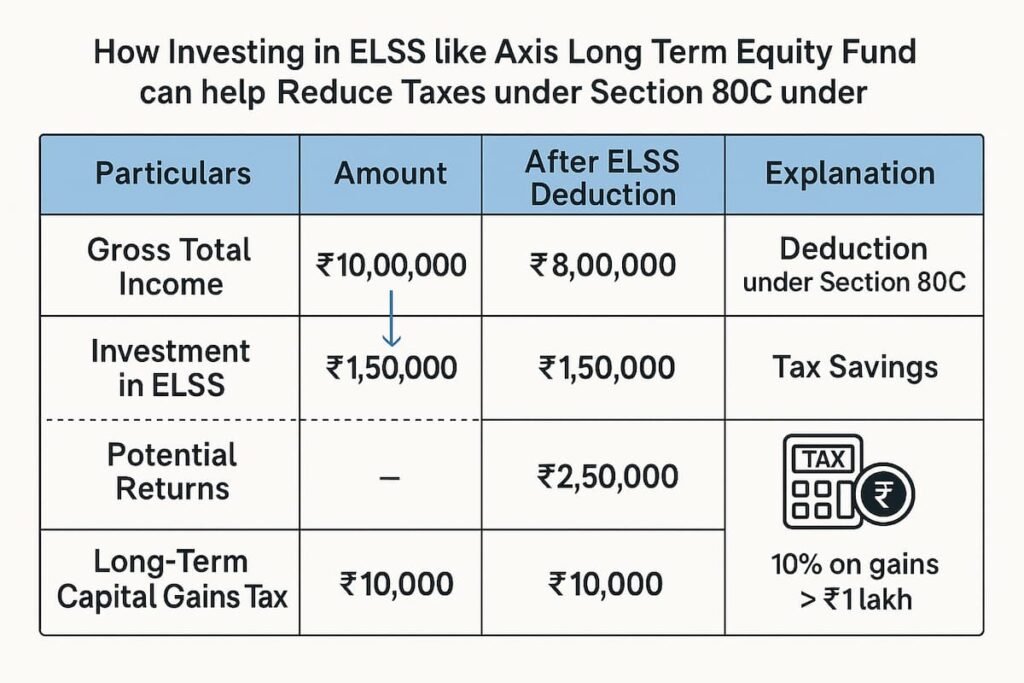
Table: Tax Benefits from ELSS
| Investment (₹) | Tax Deduction (80C) | Potential Return (3 Years) | Tax on LTCG |
|---|---|---|---|
| 1,50,000 | 1,50,000 | 12% per year | 10% |
| 50,000 | 50,000 | 15% per year | 10% |
By investing in ELSS, investors not only save taxes but also benefit from the potential for high returns, making them an attractive investment option.
5. Flexibility in Investment Amounts
One of the key reasons mutual funds are popular among Indian investors is the flexibility they offer in terms of investment amounts. With options like SIPs, investors can start with as little as ₹500 per month and increase their investment as their income grows.
Example:
For someone starting with a small monthly budget, they can invest in an SIP of ₹1,000 in HDFC Equity Fund and increase it to ₹2,500 once they are comfortable.
Table: SIP Investment Example
| Monthly SIP (₹) | Fund Selected | Expected Annual Return | Total Investment (1 Year) | Potential Gain (12%) |
|---|---|---|---|---|
| 1,000 | HDFC Equity Fund | 12% | 12,000 | 1,440 |
| 2,500 | ICICI Prudential Focused Equity Fund | 10% | 30,000 | 3,000 |
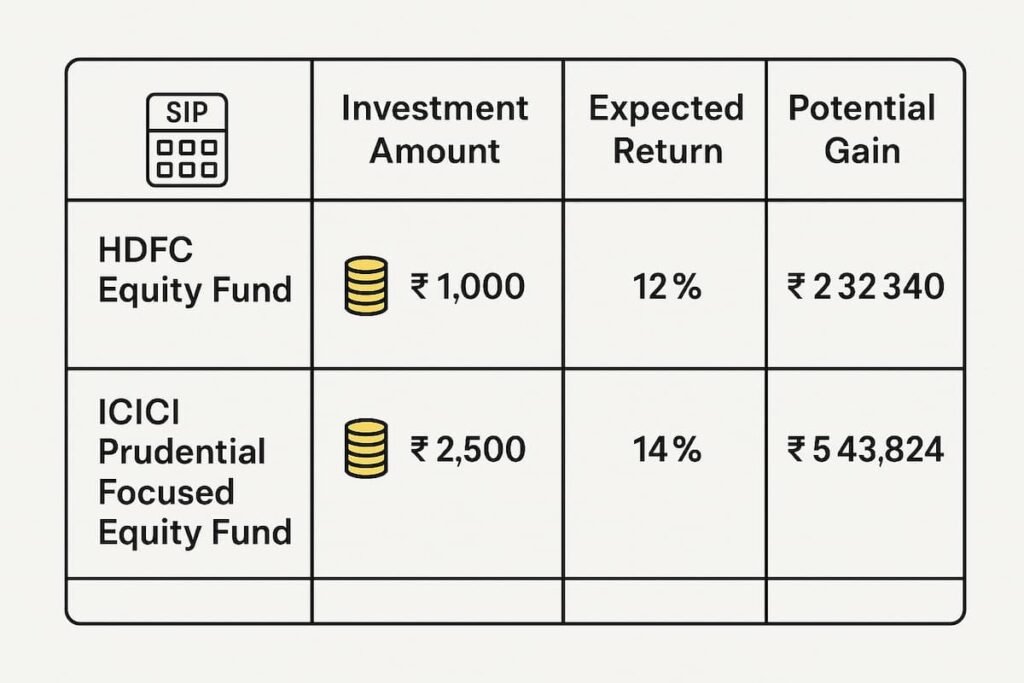
This flexibility allows individuals with varying financial capabilities to participate in wealth creation.
6. Resilience Amidst Market Volatility
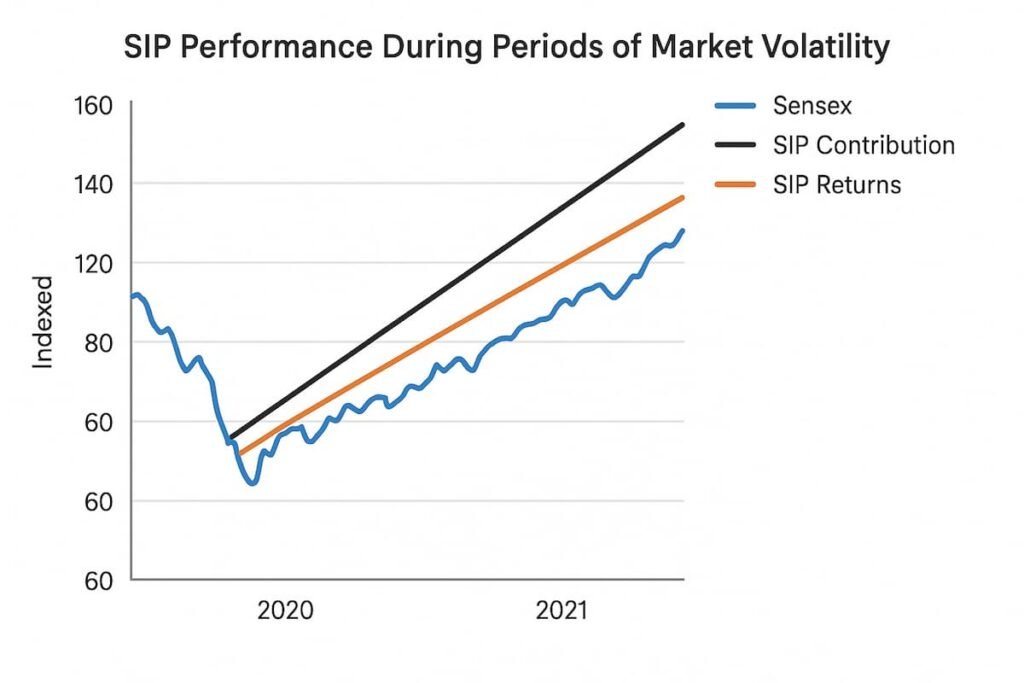
Despite global economic challenges, Indian mutual funds have shown resilience. The sustained inflow of money through SIPs, even during market corrections, indicates growing investor confidence.
Example:
During the COVID-19 pandemic, when the stock market plunged, Indian investors continued investing through SIPs. This strategy enabled them to buy units at lower prices, leading to substantial gains as the market recovered.
Table: SIP Performance During Market Volatility
| Year | Market Volatility (Sensex) | SIP Contribution (₹) | SIP Returns (%) |
|---|---|---|---|
| 2020 | -30% | 12,000 | 10% |
| 2021 | +15% | 12,000 | 18% |
This demonstrates that mutual funds are resilient investment tools, especially when using SIPs for long-term wealth creation.
7. Introduction of Innovative Schemes
The mutual fund industry has evolved to offer investors targeted schemes that cater to specific needs. Funds like the Aditya Birla Sun Life Digital India Fund focus on investing in sectors related to technology and digital growth.
Example:
- Business Conglomerates Fund: Focuses on stocks of top Indian business houses like Tata, Birla, and Ambani.
- ESG Funds: Focus on companies that are committed to environmental, social, and governance (ESG) practices.

Table: Example of Innovative Mutual Fund Schemes
| Fund Type | Focus Area | Example Fund |
|---|---|---|
| Sectoral Funds | Specific sectors like technology, energy | Aditya Birla Sun Life Digital India Fund |
| ESG Funds | Environmental and social governance | SBI Magnum ESG Fund |
| Business Conglomerates Funds | Major Indian business groups | Baroda BNP Paribas Business Conglomerates Fund |
These innovations offer investors the ability to align their investments with their values or specific sectors they believe will perform well.
8. Enhanced Regulatory Framework
The Indian mutual fund industry is regulated by SEBI, which has introduced measures to protect investors. The introduction of online platforms, better transparency, and tighter controls have made mutual fund investing safer.
Example:
SEBI’s new guidelines on total expense ratios (TER) ensure that investors are not overcharged by fund houses. Additionally, the introduction of the KYC (Know Your Customer) process ensures that only verified investors can participate, preventing fraud.
Table: Impact of SEBI Regulations
| Regulation | Impact on Investors |
|---|---|
| SEBI’s TER cap | Lower charges for investors, improving returns |
| KYC Process | Reduced fraud and ensured transparency in investments |
These regulatory measures boost investor confidence and safeguard their interests.
9. Technological Advancements in Investment Platforms
The rise of digital platforms has made investing in mutual funds more accessible than ever. Investors can now open accounts, track investments, and invest in funds seamlessly using apps like Groww, Zerodha, and Upstox.
Example:
- Groww App: Allows users to invest in direct mutual funds with no commission charges.
- Zerodha Coin: Offers a comprehensive platform to track and invest in mutual funds with ease.
Table: Comparison of Investment Platforms
| Platform | Key Features | Charges |
|---|---|---|
| Groww | Direct Mutual Fund Investment | No commission |
| Zerodha Coin | Comprehensive mutual fund tracking | ₹50 per month for advanced plans |
| Upstox | Low-cost platform, mobile app support | ₹25 per transaction |
These advancements simplify the investment process and help investors manage their portfolios effectively.
10. Long-Term Wealth Creation
Mutual funds, especially equity funds, have the potential to deliver substantial long-term returns. Through the power of compounding and SIPs, even small investments can grow into significant wealth over time.
Example:
Investing ₹5,000 per month in Nippon India Growth Fund through SIP for 10 years, with an average return of 15% annually, can generate a corpus of ₹17.2 lakh.
Table: SIP Investment Growth Over 10 Years
| SIP Amount (₹) | Fund Name | Annual Return (%) | Investment Period | Total Investment | Estimated Value at End |
|---|---|---|---|---|---|
| 5,000 | Nippon India Growth Fund | 15% | 10 years | 6,00,000 | 17,20,000 |
| 2,500 | Axis Blue Chip Fund | 12% | 10 years | 3,00,000 | 9,80,000 |
Conclusion
Mutual funds are undoubtedly a smart investment option for Indians in 2025. From professional management to tax efficiency and technological advancements, mutual funds offer a wealth of benefits. As the financial landscape continues to evolve, mutual funds remain a powerful tool for achieving long-term financial goals.