

Mutual funds remain one of the most popular and effective investment vehicles in India, offering the benefits of diversification, professional management, and relatively easy access to a variety of asset classes. Whether you’re new to investing or have been investing for years, understanding the key principles of successful mutual fund investing is crucial in maximizing returns and achieving your financial goals. This guide provides actionable tips for successful mutual fund investing in India in 2025, focusing on proven strategies to help you navigate the evolving market dynamics.

🧭 1. Define Clear Financial Goals
Before you start investing in mutual funds, it is essential to define your financial goals. Identifying the purpose of your investment helps in selecting the right mutual fund that aligns with your objectives.
- Short-Term Goals (1–3 years): Consider debt-oriented funds or liquid funds for capital preservation. These funds offer lower returns but provide higher safety for short-term needs, such as an emergency fund or saving for a large purchase.
- Medium-Term Goals (3–7 years): Hybrid or balanced advantage funds are ideal for medium-term goals, providing a mix of equity and debt. These funds offer the potential for growth while ensuring a degree of safety.
- Long-Term Goals (7+ years): Equity-oriented funds, especially small-cap or flexi-cap, can provide higher growth potential over time. These funds carry more risk but can help accumulate substantial wealth for long-term goals like retirement or buying property.
Aligning your investments with clear financial goals helps you stay focused and ensures your mutual funds work towards your specific needs.
📊 2. Diversify Across Asset Classes
One of the fundamental principles of investing is diversification, which helps spread risk across different asset classes. In the case of mutual funds, diversification allows you to balance risk and reward effectively.
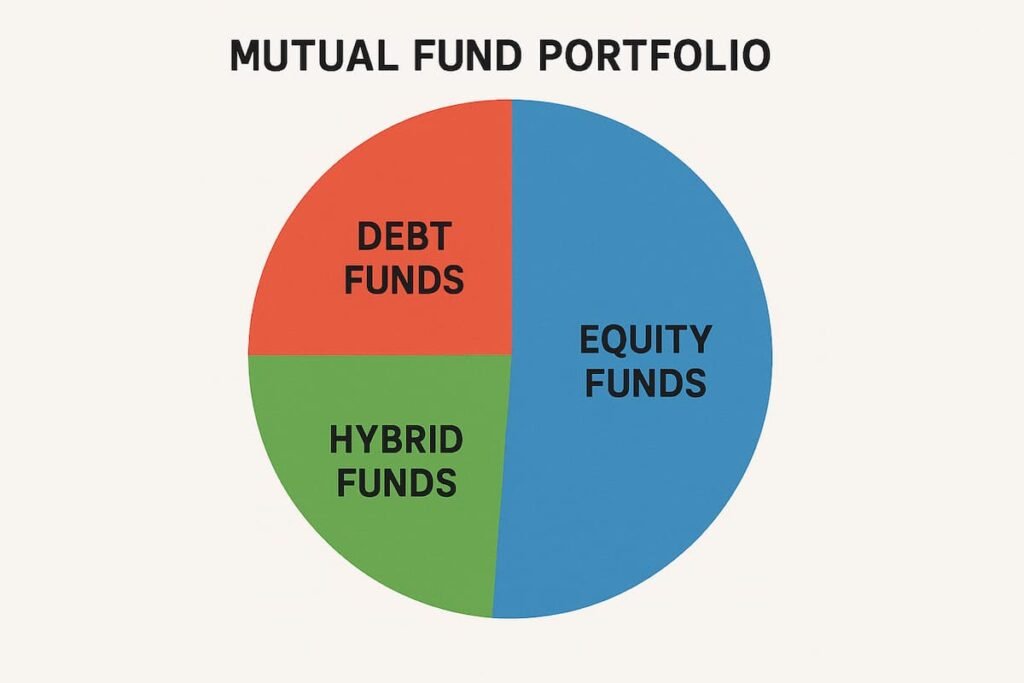
- Equity Funds: Invest in large-cap, mid-cap, or small-cap funds based on your risk tolerance. Equity funds generally provide higher returns over the long term but come with increased volatility.
- Debt Funds: Incorporate debt funds, such as corporate bond funds or gilt funds, into your portfolio for stability. These funds are ideal for conservative investors who prioritize income generation over growth.
- Hybrid Funds: Hybrid funds, which mix equity and debt, provide a balanced exposure to both asset classes, making them suitable for investors with moderate risk tolerance.
By diversifying across different mutual fund categories, you can reduce the overall risk in your portfolio and increase the chances of achieving a stable return.
📈 3. Invest Through Systematic Investment Plans (SIPs)
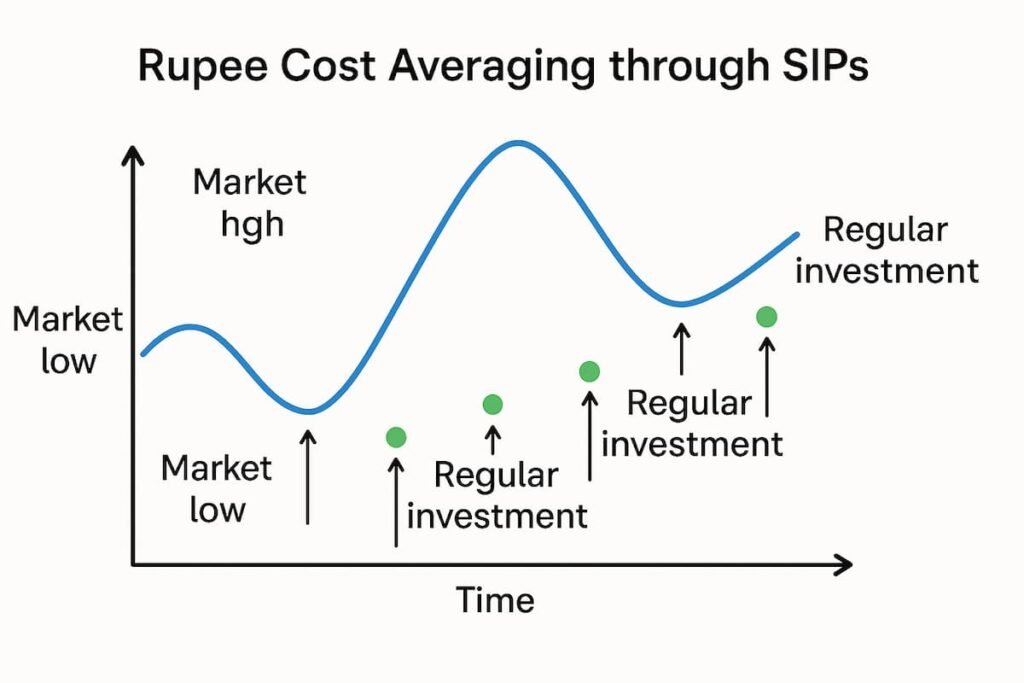
Systematic Investment Plans (SIPs) are one of the easiest and most effective ways to invest in mutual funds. With SIPs, you invest a fixed amount regularly, regardless of market conditions.
- Rupee Cost Averaging: SIPs help mitigate the impact of market volatility by averaging the purchase cost over time. During market dips, your fixed SIP amount buys more units, which benefits you when the market recovers.
- Compounding Benefits: SIPs allow your investments to grow over time through the power of compounding. Regular contributions can significantly enhance your portfolio value over the years.
- Affordability: SIPs make it easier to invest in mutual funds, even with modest amounts. Starting with as little as ₹500 a month, you can build a substantial portfolio over time.
SIPs encourage disciplined investing and allow you to stay invested for the long term without worrying about market timing.
🔍 4. Research Before Investing
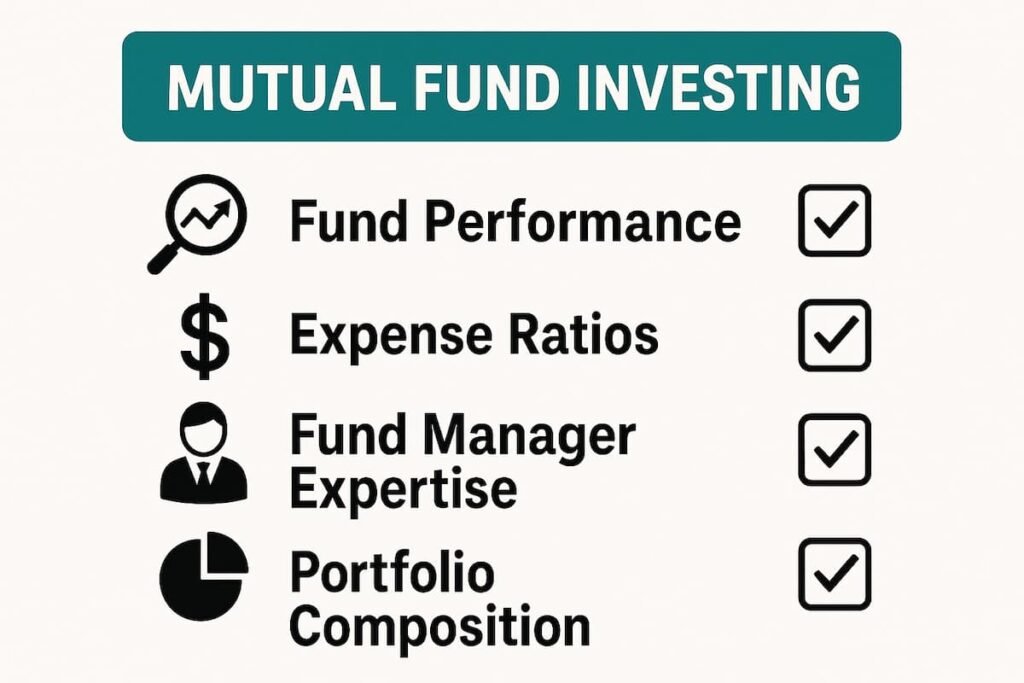
Thorough research is crucial to ensure you’re investing in the right mutual funds. Proper research helps you make informed decisions and avoid risky investments that may not align with your financial goals.
- Fund Performance: Analyze the historical returns of mutual funds, but remember that past performance is not always indicative of future results. Look for consistency and compare funds based on different time frames.
- Expense Ratios: Mutual funds charge management fees, known as the expense ratio. Lower expense ratios can significantly impact your returns over time, so be sure to choose funds with reasonable charges.
- Fund Manager Expertise: The experience and track record of a fund manager play a vital role in the performance of the fund. Experienced managers can navigate market volatility more effectively.
- Portfolio Composition: Review the fund’s holdings to ensure they match your investment objectives. The type of assets the fund invests in (e.g., stocks, bonds) and its sector allocation should align with your risk tolerance.
Research is key to building a successful mutual fund portfolio. Use online tools, financial reports, and third-party reviews to evaluate mutual funds thoroughly.
🧾 5. Understand Tax Implications
Taxation plays an important role in mutual fund investments and can significantly affect your returns. Understanding the tax treatment of different mutual funds is essential for maximizing profits and minimizing tax liabilities.
- Equity Funds: Long-term capital gains (LTCG) over ₹1.25 lakh are taxed at 12.5%. Short-term capital gains (STCG) on equity funds are taxed at 20%.
- Debt Funds: Debt funds are taxed based on the holding period. Long-term capital gains are taxed at 12.5%, and short-term gains are taxed at the investor’s applicable income tax slab rate.
- ELSS Funds: Equity-linked savings schemes (ELSS) qualify for tax benefits under Section 80C of the Income Tax Act. Short-term capital gains from ELSS are taxed at 20%, and long-term capital gains are taxed at 12.5%.
Being aware of tax implications can help you choose tax-efficient funds and take advantage of tax-saving schemes like ELSS.
🕒 6. Stay Invested for the Long Term
One of the most powerful principles of successful investing is patience. While market fluctuations are inevitable, staying invested for the long term helps you weather volatility and benefit from the compounding effect.

- Avoid Timing the Market: Attempting to time the market can lead to missed opportunities. It’s better to invest regularly and stay invested for the long term.
- Monitor Portfolio: While staying invested is important, it’s also essential to periodically review your portfolio to ensure that it aligns with your financial goals. If required, rebalance the portfolio to maintain your desired asset allocation.
- Rebalance When Necessary: As market conditions change, certain assets in your portfolio might outperform or underperform. Rebalancing ensures your portfolio stays on track toward achieving your financial goals.
Long-term investing in mutual funds often leads to more favorable returns than short-term trading, especially with the power of compounding.
🧠 7. Avoid Common Investment Mistakes
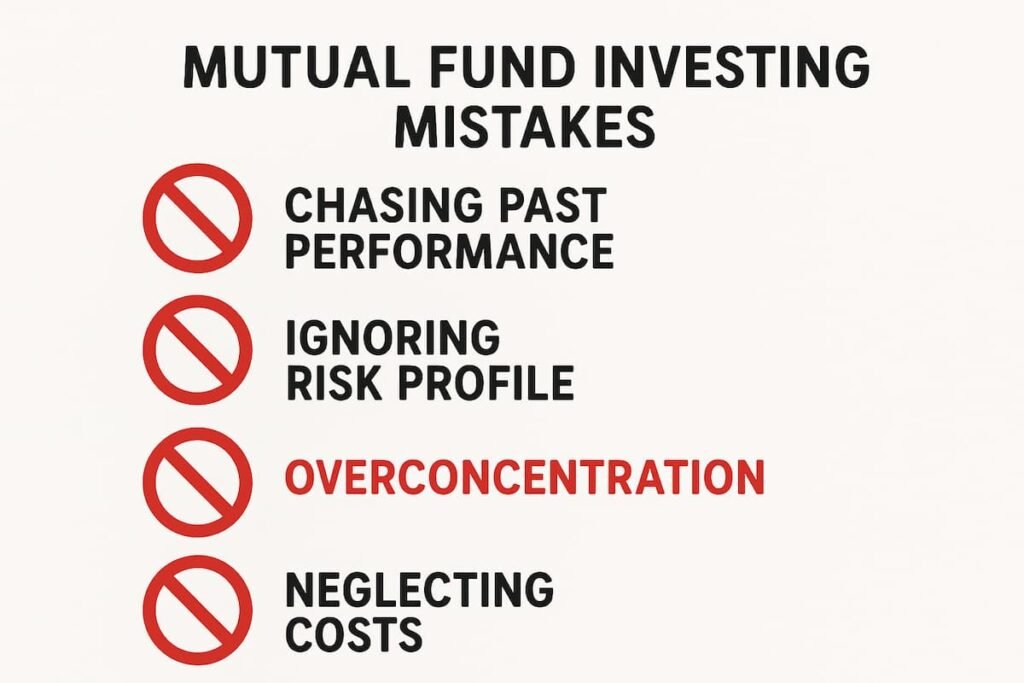
Even experienced investors make mistakes. Being aware of common pitfalls can help you avoid costly errors.
- Chasing Past Performance: Many investors get lured by past returns, assuming they will continue. However, past performance is not always an indicator of future success.
- Ignoring Risk Profile: Investing in high-risk funds without understanding your risk tolerance can lead to losses. Ensure that your investments align with your comfort level.
- Overconcentration: Avoid putting all your money in one asset class or sector. Overconcentration increases risk. Instead, diversify your investments across various funds and sectors.
- Neglecting Costs: High expense ratios can erode your returns over time. Always consider the cost of investing when choosing a fund.
By avoiding these common mistakes, you can make better investment decisions and increase the chances of success.
🧩 8. Consider Professional Advice
If you’re unsure about how to approach mutual fund investing or if you’re facing complex financial goals, consider seeking advice from a certified financial planner.

- Tailored Advice: A financial planner can offer personalized investment strategies based on your unique financial situation.
- Expert Insights: Financial advisors have in-depth market knowledge and can provide insights into the latest market trends and fund performance.
- Comprehensive Planning: A financial advisor can help with holistic financial planning, including tax strategies, retirement planning, and portfolio management.
Professional guidance can enhance your investment experience, especially if you’re dealing with complex financial objectives or uncertain market conditions.
🔚 Conclusion
Successful mutual fund investing requires a disciplined approach, informed decision-making, and a focus on long-term goals. By defining clear financial objectives, diversifying your portfolio, investing through SIPs, conducting thorough research, and staying patient, you can significantly increase your chances of success. Remember to regularly monitor your investments, understand tax implications, and avoid common investment mistakes. With the right strategy, mutual funds can be a powerful tool for achieving your financial goals.