
Investing in mutual funds offers a great opportunity to grow wealth over time. However, with thousands of mutual funds available in the market, selecting the right one can be overwhelming. This is where a mutual fund screener becomes invaluable. By using this tool, investors can filter and compare funds based on various factors like performance, risk, expense ratios, and more, making it easier to choose the best funds for their portfolio. In this guide, we will explore how to effectively use a mutual fund screener for making smart investment decisions.
🔍 What Is a Mutual Fund Screener?
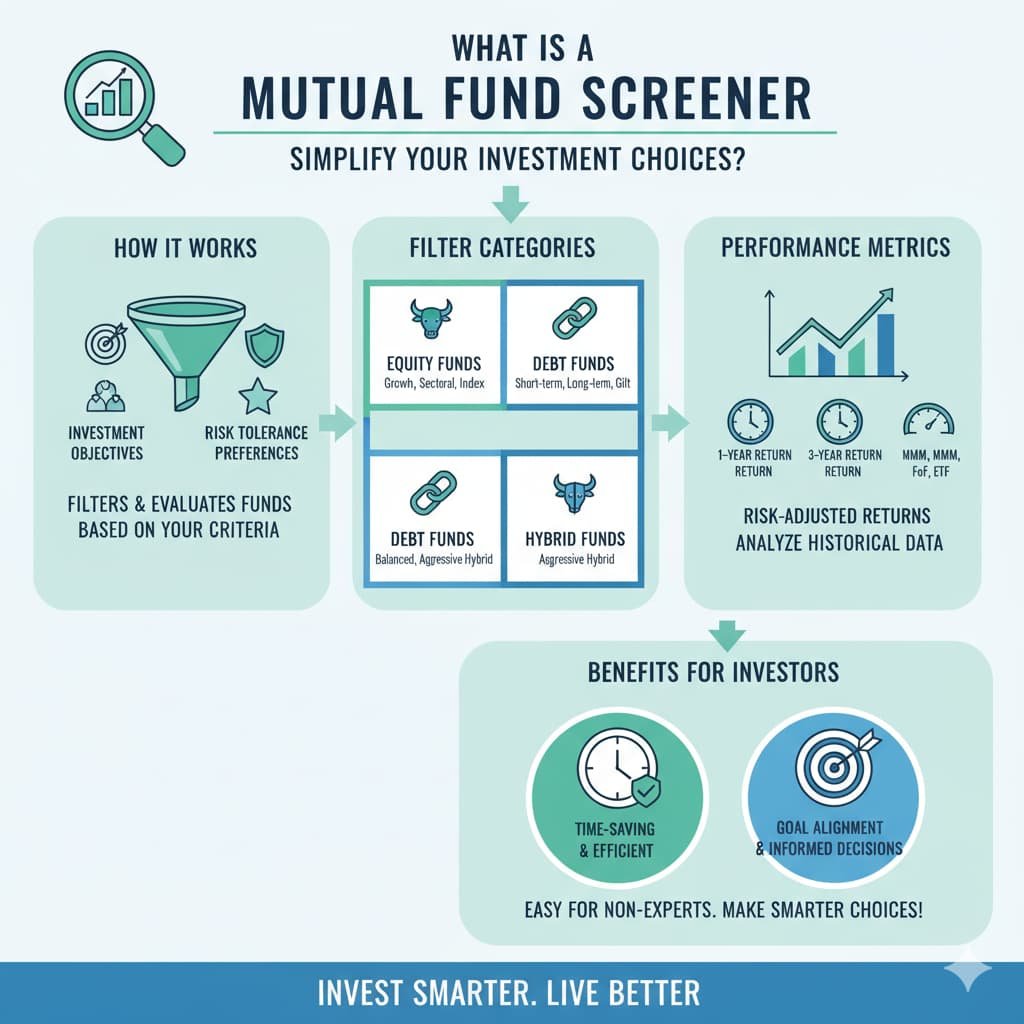
A mutual fund screener is a powerful tool that allows investors to filter and evaluate mutual funds based on specific criteria. This online tool enables users to narrow down a vast selection of funds to a more manageable list that matches their investment objectives, risk tolerance, and preferences. With a screener, you can search for funds by categories such as equity, debt, hybrid, and more, and assess their performance over different time periods.
Screener tools are particularly useful for investors who may not have the time or expertise to manually evaluate each fund in detail. They help simplify the decision-making process and ensure that investments align with one’s financial goals.
🧭 Steps to Use a Mutual Fund Screener Effectively
1. Define Your Investment Objectives
Before diving into the screener, it is crucial to have a clear understanding of your investment goals. What are you trying to achieve with your investments? Are you aiming for long-term capital growth, steady income, or perhaps tax-saving benefits? Having a clear investment objective will help you choose the right funds that align with your goals.
For instance:
- If you’re saving for retirement, you might prefer equity funds with higher returns over the long term.
- For more conservative investors looking for regular income, debt funds or hybrid funds might be more suitable.
2. Assess Your Risk Tolerance
Understanding your risk tolerance is essential when using a mutual fund screener. Risk tolerance refers to your ability to endure fluctuations in the market value of your investments. There are three primary types of risk profiles:
- Conservative: Prefer low-risk, stable investments.
- Moderate: Willing to take on some risk for potentially higher returns.
- Aggressive: Comfortable with high-risk investments for higher long-term returns.
The screener can help you filter funds based on your risk appetite, ensuring you select options that are suitable for your risk tolerance.
3. Select Appropriate Fund Categories
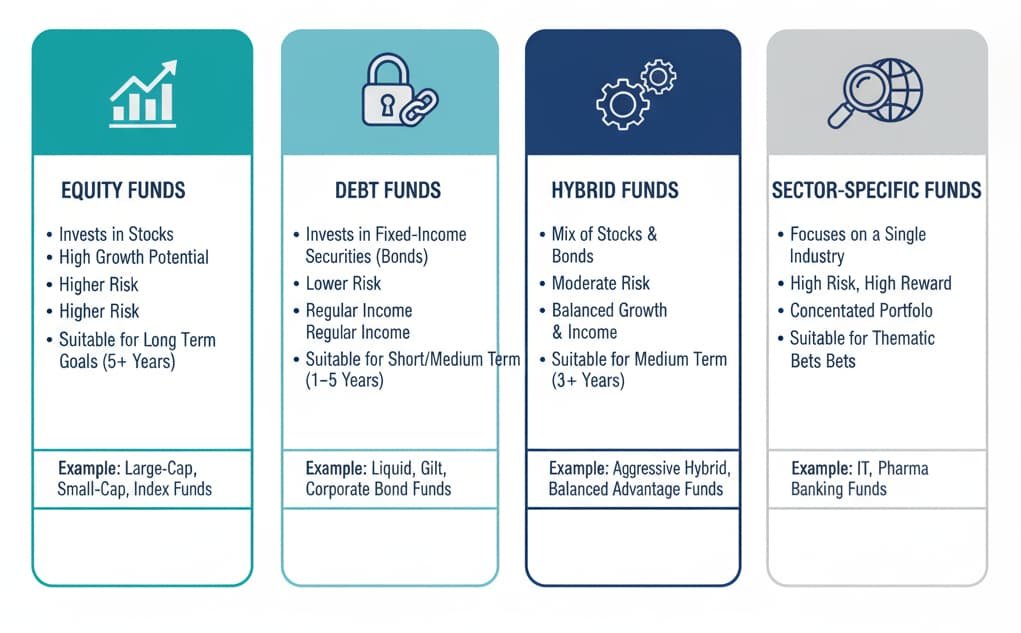
Mutual funds come in different categories, each with its characteristics. Using a screener, you can filter funds by category to match your specific needs:
- Equity Funds: These funds invest in stocks and are generally higher-risk, higher-reward. They are suitable for long-term capital growth.
- Debt Funds: These funds invest in fixed-income instruments like bonds, providing lower returns with less risk. Ideal for more conservative investors.
- Hybrid Funds: A combination of equity and debt, hybrid funds offer a balanced approach, with moderate risk and returns.
- Sector-Specific Funds: Focused on specific sectors like technology, healthcare, etc., these funds are more volatile but may offer higher rewards.
4. Apply Screening Criteria
Now that you know your objectives and risk tolerance, it’s time to apply your criteria in the screener. Common filters include:
- Performance: Filter funds based on their historical returns over different time frames (1-year, 3-year, 5-year).
- Expense Ratio: A lower expense ratio means more of your money is going toward the fund’s actual investment rather than its management costs.
- Fund Size: Larger funds tend to be more stable, while smaller funds may have more growth potential but with higher risks.
- Manager Tenure: A longer tenure can indicate a more experienced fund manager, potentially leading to better returns.
5. Analyze and Compare Funds
After applying the filters, review the shortlisted funds. Compare them based on key metrics:
- Risk Level: Assess the risk using measures like standard deviation and beta.
- Returns: Look at the average returns over different periods, but don’t rely solely on past performance.
- Expense Ratios: Funds with lower expense ratios usually perform better in the long term.
- Sharpe Ratio: This measures the risk-adjusted return, helping you understand how well the fund compensates you for the risk taken.
By comparing different funds, you can identify the ones that best suit your investment strategy.
📊 Key Metrics to Consider
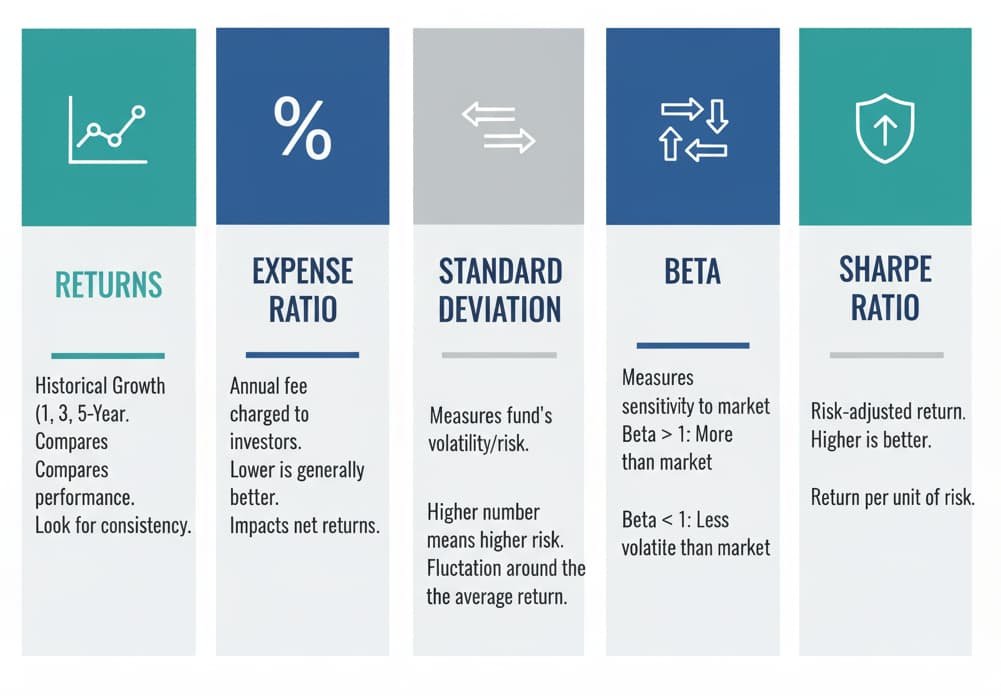
When using a mutual fund screener, here are the key metrics you should focus on:
- Returns: Past performance (1-year, 3-year, 5-year) gives a good indication of the fund’s consistency.
- Expense Ratio: Lower expense ratios are preferred, as they result in more of the investment returns staying in your pocket.
- Standard Deviation: This measures the volatility of the fund. A higher standard deviation indicates more risk.
- Beta: Measures the fund’s sensitivity to market movements. A beta of 1 means the fund moves in line with the market.
- Sharpe Ratio: A higher Sharpe ratio indicates better returns relative to the risk.
🧠 Smart Strategies for Using a Screener
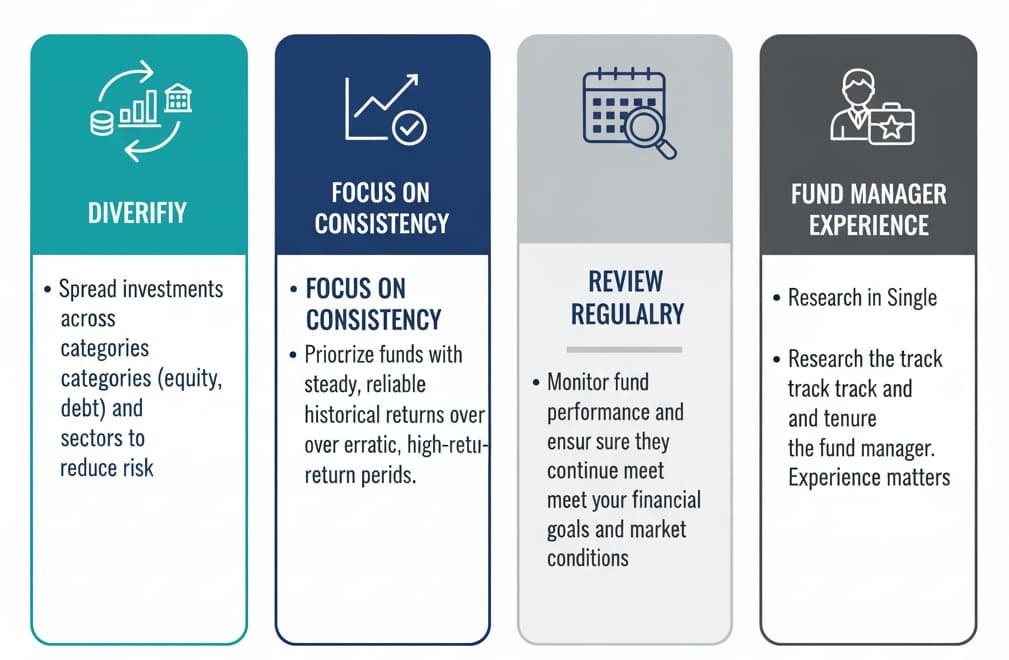
- Diversify Your Portfolio: Use the screener to select funds from different categories (equity, debt, hybrid) to spread risk and ensure more stable returns.
- Focus on Consistency: While high returns are attractive, consistency in returns over multiple years is a better indicator of fund quality.
- Review Regularly: Periodically revisit the screener to ensure your portfolio remains aligned with your changing financial goals and market conditions.
- Consider Fund Manager Experience: Experienced fund managers typically deliver better results, so use the screener to find funds with proven leadership.
📋 Frequently Asked Questions (FAQ)
1. What is the best way to use a mutual fund screener?
To use a mutual fund screener effectively, define your investment goals and risk tolerance first. Then, filter the funds based on these criteria, such as performance, expense ratio, and risk. Compare the shortlisted funds, and select the ones that align best with your objectives.
2. How do I choose the right mutual funds?
The right mutual funds for you depend on your investment goals and risk profile. Use the screener to filter funds based on performance, cost, and risk. Always diversify your portfolio to minimize risks and achieve balanced returns.
3. How often should I use a mutual fund screener?
You should use a mutual fund screener whenever you are reviewing or rebalancing your portfolio. It’s also useful when starting a new investment journey or when market conditions change.
4. Are mutual fund screeners free to use?
Many mutual fund screeners are free to use, especially on platforms like Morningstar, Yahoo Finance, and FundsIndia. However, some advanced features may require a subscription.
5. What filters should I apply when using a screener?
Filters such as risk, returns (over 1, 3, 5 years), expense ratio, Sharpe ratio, and fund size are the most important when using a screener. Customize the filters based on your investment goals.
🧾 Conclusion
A mutual fund screener is an essential tool for investors looking to make informed decisions about their investments. By defining your goals, assessing your risk tolerance, and applying appropriate filters, you can easily narrow down your options and select the best mutual funds for your portfolio. Regular use of a screener ensures that your investments stay aligned with your financial objectives, and it helps you stay on top of your investments.
Investing in mutual funds doesn’t have to be daunting. With the right tools and strategies, you can make smarter, more informed investment decisions and pave the way for long-term financial success.