

As a student in India, managing finances can be challenging. Applying for a student credit card can be a strategic move to handle expenses and build a solid credit history. A good credit score can open doors to better financial opportunities in the future. This guide will walk you through the process of applying for a student credit card and tips to build and maintain a good credit score.
Understanding Student Credit Cards
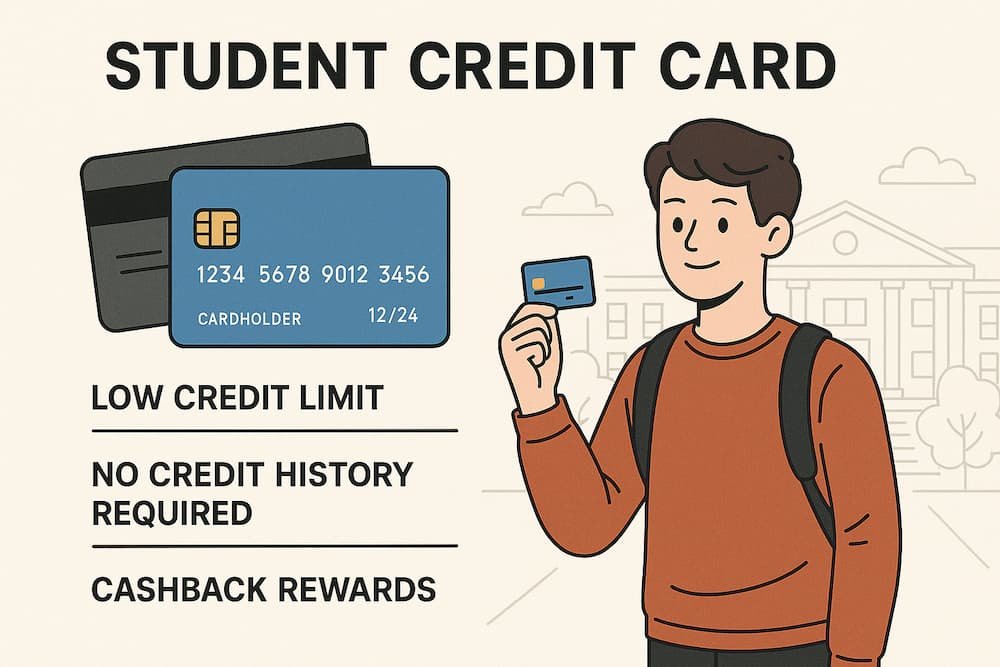
Student credit cards are designed specifically for college students who may have limited or no credit history. These cards often come with lower credit limits, reduced fees, and rewards tailored to student needs. They serve as a tool to help students manage their finances and establish a credit history.
How to Apply for a Student Credit Card in India
1. Check Eligibility
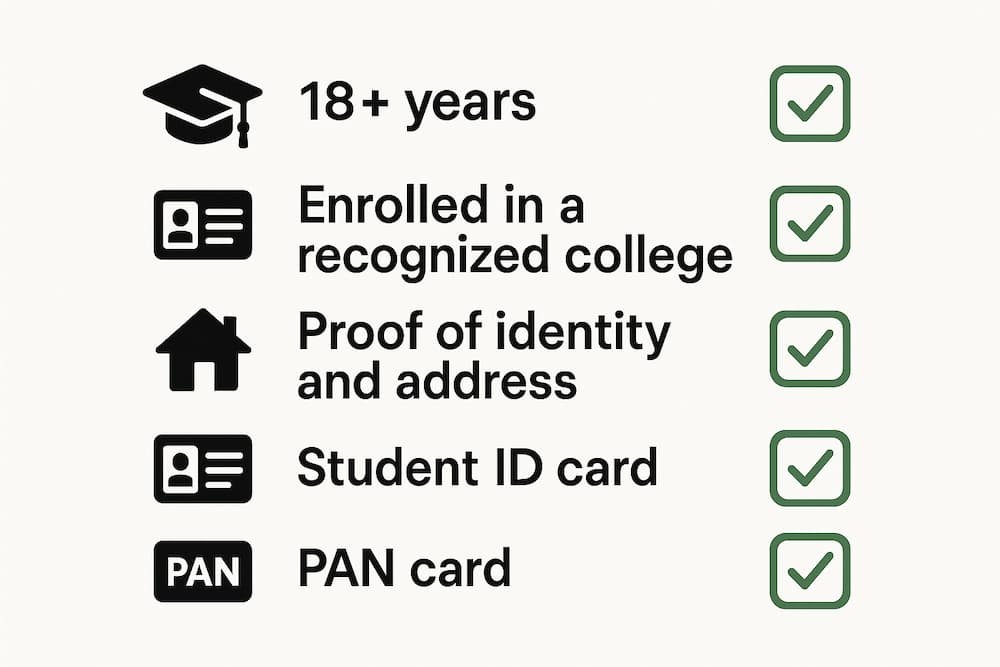
To apply for a student credit card in India, you generally need to:
- Be at least 18 years old.
- Be enrolled in a recognized college or university.
- Provide proof of identity and address.
- Submit a valid student ID and recent passport-sized photographs.
Some banks may also require a Fixed Deposit (FD) as collateral or a co-applicant with a good credit score.
2. Choose the Right Card
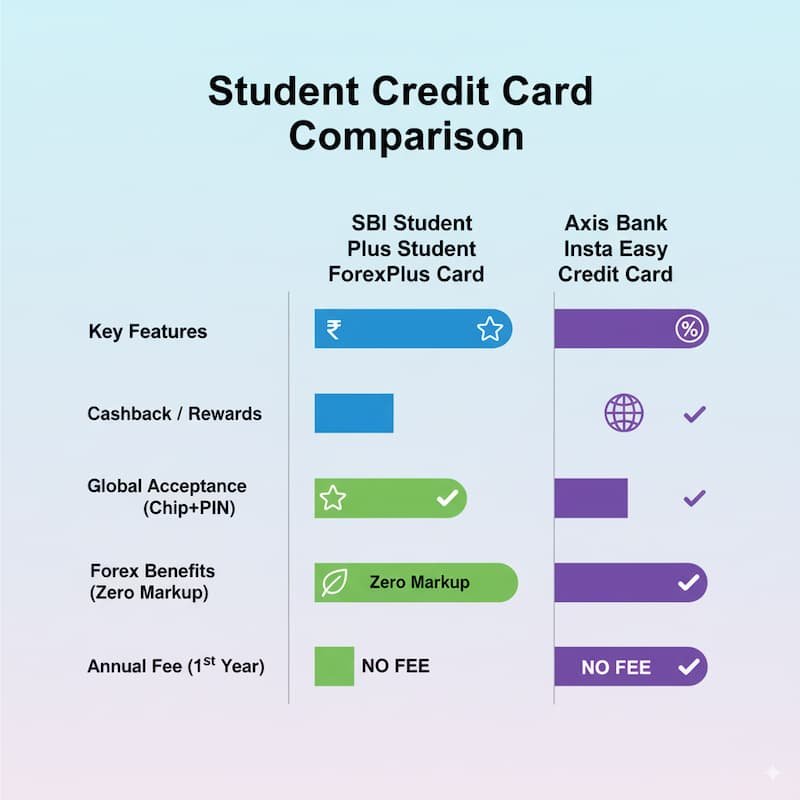
Several banks in India offer student credit cards. For instance, the SBI Student Plus Advantage Card is a popular choice, offering benefits like cashback on purchases and worldwide acceptance. Other options include HDFC ISIC Student ForexPlus Card and Axis Bank Insta Easy Credit Card.
3. Gather Required Documents
Ensure you have the following documents:
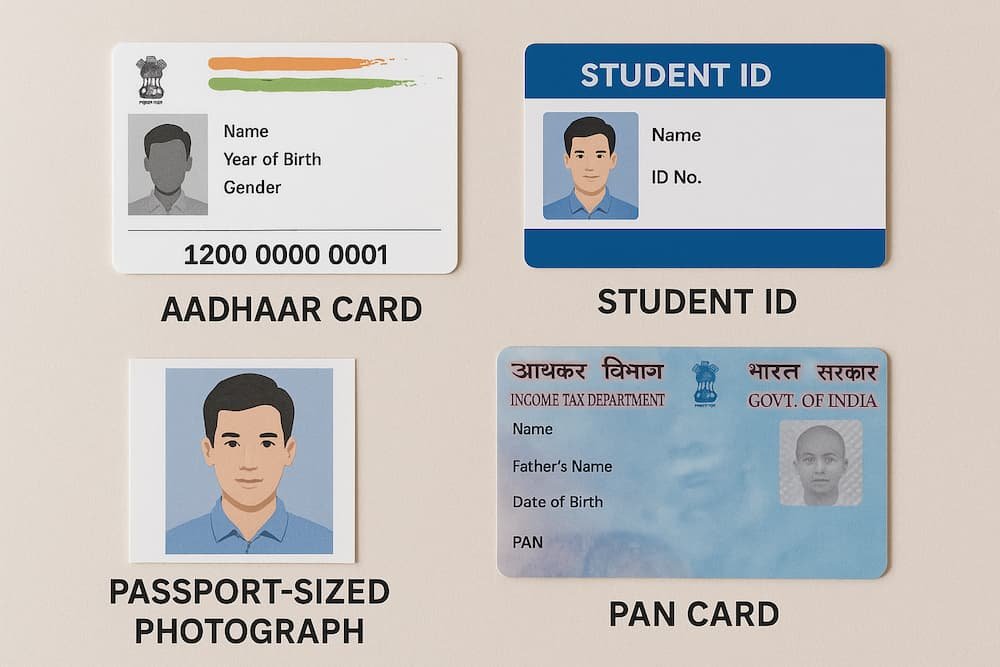
- Proof of identity (Aadhaar card, passport, voter ID).
- Proof of address (utility bill, rental agreement).
- Student ID card.
- PAN card (if available).
- Passport-sized photographs.
4. Submit the Application
You can apply online through the bank’s website or visit a branch in person. Fill out the application form and submit the required documents. Some banks may also offer pre-approved student credit cards for existing customers.
Tips to Build and Maintain a Good Credit Score
Building a good credit score is essential for future financial health. Here are some tips:
- Pay Bills on Time: Always pay your credit card bills before the due date to avoid late fees and interest charges.

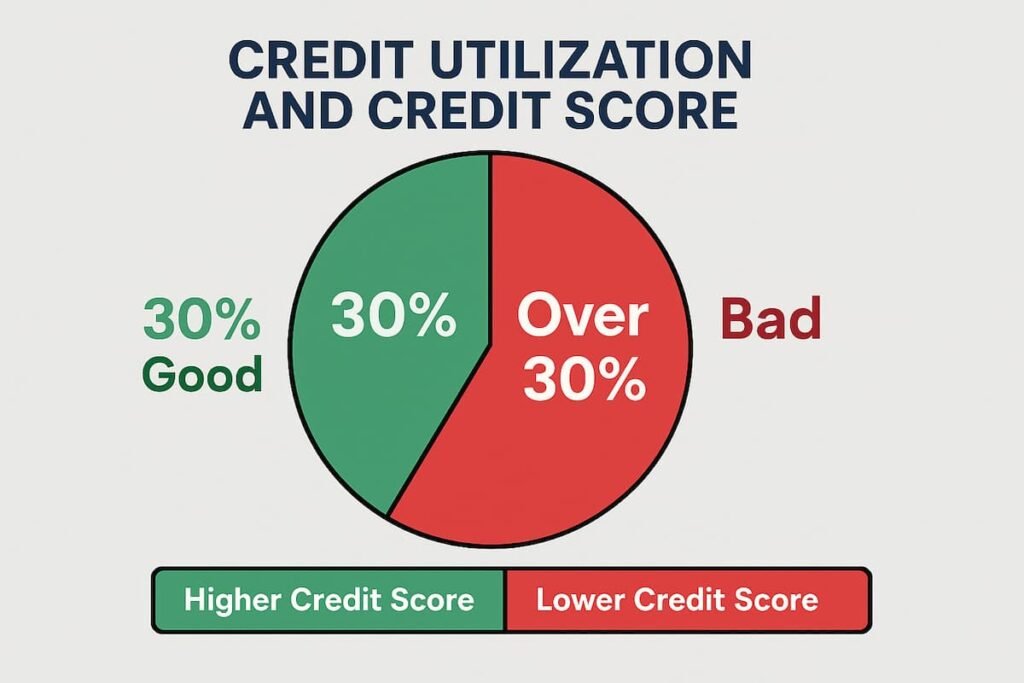
- Keep Credit Utilization Low: Try to use less than 30% of your credit limit to maintain a healthy credit score.
- Avoid Multiple Applications: Frequent applications for credit can negatively impact your credit score.
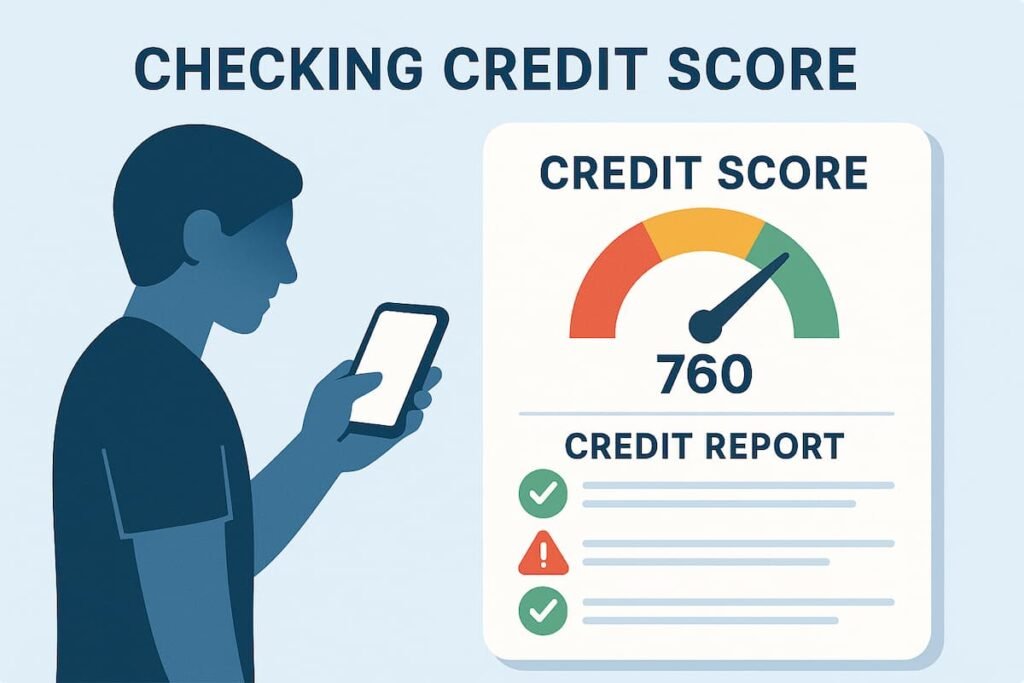
- Monitor Your Credit Report: Regularly check your credit report for any discrepancies and report them promptly.
- Use Credit Responsibly: Only charge what you can afford to pay off in full each month.

Table: Comparison of Top Student Credit Cards in India
| Credit Card | Key Features | Eligibility | Annual Fee | Rewards |
|---|---|---|---|---|
| SBI Student Plus Advantage Card | Cashback on purchases, global acceptance | 18+ years, enrolled in recognized college | Rs. 500 | Cashback on fuel, groceries |
| HDFC ISIC Student ForexPlus Card | Forex benefits, emergency cash assistance | 18+ years, enrolled in a university | Rs. 299 | Discounts on travel, shopping |
| Axis Bank Insta Easy Credit Card | Easy online approval, no annual fee | 18+ years, students with valid ID | Free for first year | Discounts on dining, shopping |
FAQ: Common Questions about Student Credit Cards
- Can I apply for a student credit card if I don’t have a credit history?
Yes, student credit cards are specifically designed for individuals without a credit history. As long as you meet the eligibility requirements, you can apply. - What happens if I miss a payment?
Missing payments can lead to late fees and interest charges, which can negatively affect your credit score. It is crucial to pay your bills on time. - Do student credit cards have a high interest rate?
Interest rates for student credit cards may vary depending on the card and the issuing bank, but they are generally higher than standard credit cards. Always try to pay your bill in full to avoid interest. - Can I increase my credit limit?
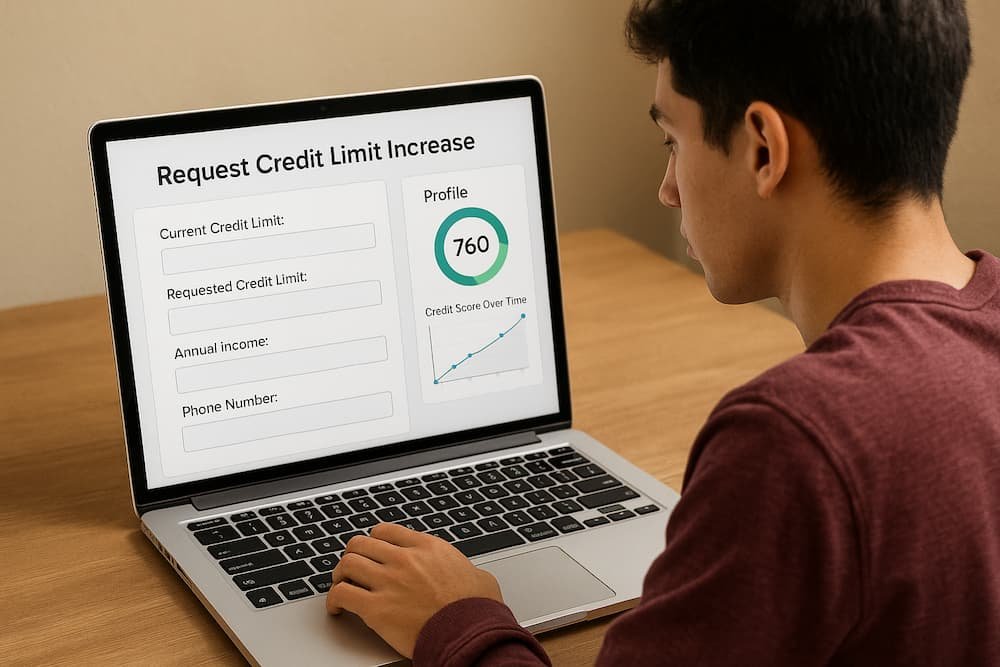
Yes, after establishing a good payment history, you can request an increase in your credit limit with most student credit cards.
- How can I improve my credit score?
To improve your credit score, make timely payments, keep credit utilization low, and avoid too many credit inquiries in a short period. - Can I use my student credit card internationally?
Yes, most student credit cards, like the SBI Student Plus Advantage Card, offer international acceptance, which is beneficial for students studying abroad.
Conclusion
Applying for a student credit card in India is a proactive step toward managing your finances and building a strong credit history. By choosing the right card, submitting the necessary documents, and using credit responsibly, you can set yourself up for financial success in the future.